Rajeev Ranjan
Principal, Teacher Trainer , Counsellor, Author, Blogger and an Educationist
Being humane, an educationist, counsellor and a lifelong learner, I aspire to contribute the best in the field of quality education for learners, teachers, teacher trainers and the resource persons.
“Let us grow and glow together” for the welfare of world educated citizen, who can think and dream for peace, prosperity and international brotherhood.
Be open and explore yourself!
Share your pedagogical experiences and expertise with us for the welfare of 21st Century skilled world citizen.
Indian Educationist
Rajeev Ranjan
Contact:-rajeevbhuvns@gmail.com
Contact:-9878350845
Eight Key Features of Augmented Reality in School Education
AR stands for Augmented Reality. It is a technology that overlays computer-generated content, such as images, videos, or 3D models, onto the real world. Unlike virtual reality, which creates a completely
Augmented Reality (AR) refers to a technology that combines computer-generated elements with the real world, enhancing a user’s perception and interaction with their environment. AR overlays digital content, such as images, videos, or 3D
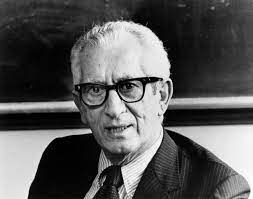
Lev Vygotsky was a renowned Soviet psychologist and social constructivist who developed the socio-cultural theory of learning. His theory emphasizes the role of social interaction and cultural context in the development of cognition and learning. Vygotsky’s